Navigating the vast world of gaming motherboards can feel like a daunting quest, especially with new technologies emerging rapidly in 2026. This comprehensive guide simplifies the complex choices, helping you pinpoint the perfect foundation for your ultimate gaming rig. We dive into crucial factors like chipset compatibility, future-proofing, power delivery, and essential features that impact performance and upgradeability. Whether you are building a budget-friendly powerhouse or a top-tier enthusiast machine, understanding motherboard nuances is key. Discover how to avoid common pitfalls and select a board that complements your CPU, GPU, and memory, ensuring smooth gameplay and seamless multitasking. Stay informed on the latest trends and what truly matters for peak gaming experiences, from high refresh rates to VR capabilities. Get ready to elevate your setup.
Related games- Guide to Steamcharts Rocket League Player Counts
- Guide to Azurain Leaked Roblox: Security Tips for Gamers
- Guide to Flashnight Roblox ID: Perfect Your Game Vibe
- Guide Why Roblox Is Slow Today & How To Fix Lag
- Guide How To Get The Itali GTO in GTA 5 Online Fast
what are good gaming motherboards FAQ 2026 - 50+ Most Asked Questions Answered (Tips, Trick, Guide, How to, Bugs, Builds, Endgame)
\nWelcome to the ultimate living FAQ for good gaming motherboards in 2026! The motherboard market is constantly evolving, with new chipsets, sockets, and features appearing regularly. This comprehensive guide cuts through the noise, providing up-to-date answers and practical advice. We’ve gathered the most frequently asked questions from gamers building or upgrading their rigs. Whether you’re a beginner or an experienced enthusiast, this FAQ will help you make informed decisions. Stay ahead of the curve with insights into the latest technologies and essential tips. Let’s dive into making your next gaming PC truly exceptional.
\n\nEssential Motherboard Questions
\n\nWhat is the best motherboard for gaming in 2026?
\nThe "best" motherboard depends on your CPU choice and budget. For high-end Intel builds, a Z890 chipset board with LGA1851 socket is ideal. For AMD, an X670E chipset with AM5 socket offers top performance. Focus on robust VRMs, PCIe 5.0 support, and DDR5 RAM compatibility for optimal 2026 gaming.
\n\nDo I really need a gaming motherboard for my PC?
\nYes, a gaming motherboard is highly recommended. It provides features crucial for performance like enhanced power delivery (VRMs), better cooling, and support for faster RAM and storage. While any motherboard works, a gaming-focused one ensures stability and unlocks your components' full potential.
\n\nHow important is the chipset when buying a gaming motherboard?
\nThe chipset is very important as it defines the motherboard's capabilities. It determines CPU compatibility, available PCIe lanes, USB ports, and overclocking potential. High-end chipsets like Z890 (Intel) or X670E (AMD) offer more features and flexibility for enthusiast gamers.
\n\nWhat should I look for in a gaming motherboard for future-proofing?
\nFor future-proofing, prioritize PCIe 5.0 support for GPU and NVMe SSDs, DDR5 RAM compatibility, and a modern CPU socket. Look for robust power delivery and ample USB 4.0/Thunderbolt 5 ports. This ensures your system can handle next-generation components and peripherals.
\n\nMyth vs Reality: Is a more expensive motherboard always better for gaming?
\nMyth: A more expensive motherboard is not *always* better. Reality: While premium boards offer more features, a mid-range motherboard often provides excellent gaming performance. Overspending on features you won't use offers diminishing returns. Match your board to your CPU and actual gaming needs.
\n\nWhat is the significance of VRM phases on a gaming motherboard?
\nVRM phases are crucial for stable power delivery to your CPU, especially under heavy gaming loads or during overclocking. More phases generally mean more efficient power distribution and better heat management. This results in greater system stability, extended component lifespan, and consistent performance during demanding tasks.
\n\nStill have questions?
\nDive deeper into our guides on Best CPUs for Gaming 2026 or Ultimate GPU Buying Guide to complete your perfect build!
Are you wondering which gaming motherboard truly makes a difference in your 2026 PC build? Many people ask, "What are good gaming motherboards actually for, beyond just holding everything together?" It's a fantastic question, and honestly, it used to trip me up too when I started building systems. Think of your motherboard as the nervous system of your gaming rig. It connects every single vital component, from your powerful CPU and cutting-edge GPU to your lightning-fast storage and high-speed RAM. Its quality directly influences how well your components communicate. A stellar motherboard ensures smooth data flow, efficient power delivery, and robust expansion capabilities. This translates into stable performance, faster load times, and a system ready for future upgrades. Selecting the right board is crucial, ensuring your gaming experience is truly top-tier.
\n\nIn 2026, the landscape of gaming motherboards has evolved significantly, offering incredible advancements. We're seeing widespread adoption of PCIe 5.0 for graphics cards and NVMe SSDs, delivering unprecedented bandwidth. Wi-Fi 7 is becoming standard, providing ultra-low latency for competitive online play. DDR5 memory modules are hitting even higher speeds, demanding motherboards that can properly support these new benchmarks. Even power delivery systems (VRMs) are more sophisticated. They handle the demanding power needs of the latest multi-core processors. You want a motherboard that not only supports today's best hardware but also future innovations. This guide will help you navigate these exciting developments with confidence. You've got this!
\n\nUnderstanding the Core Components
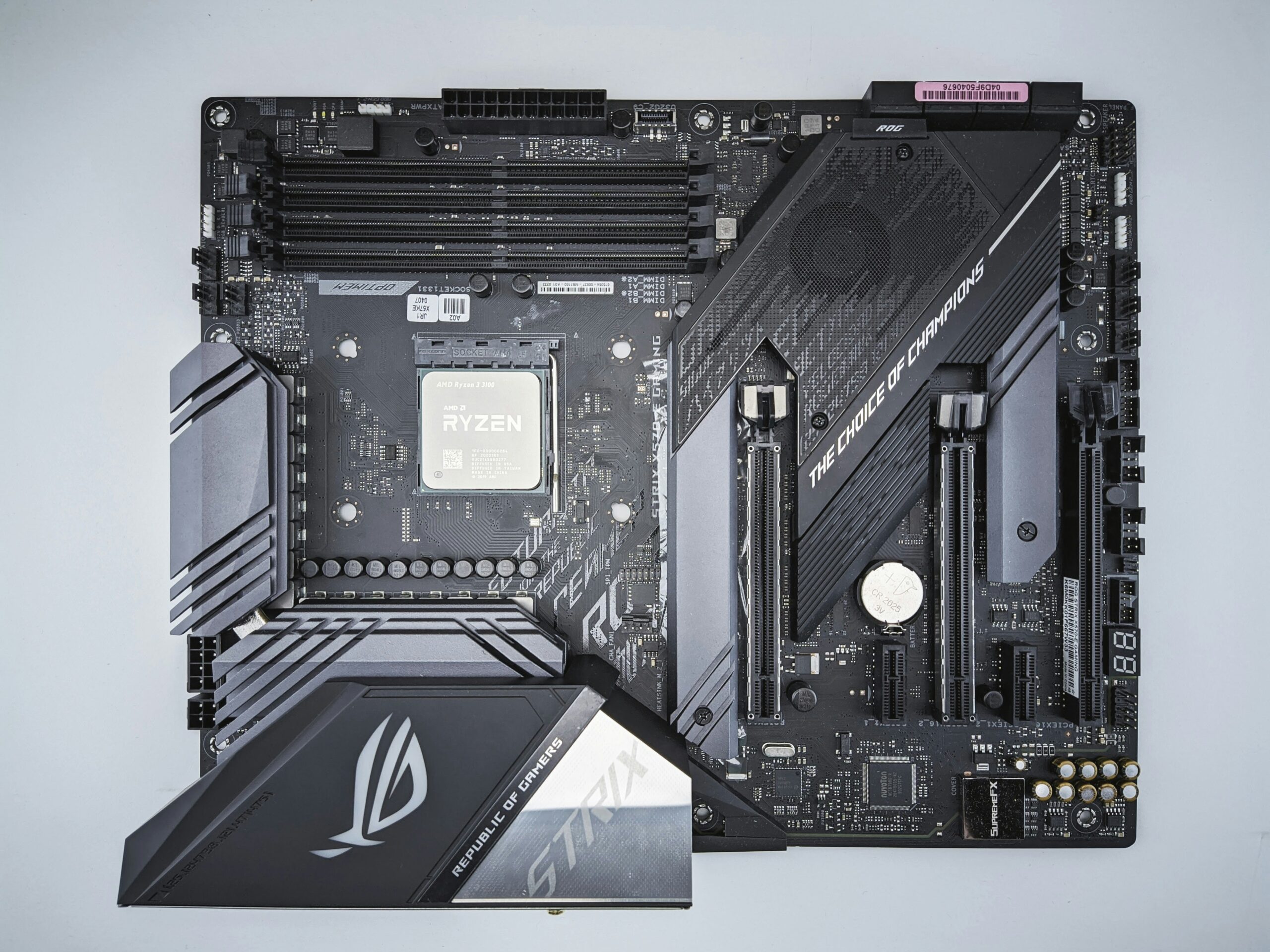
\n\nBefore diving into specific models, let's briefly touch upon what makes a gaming motherboard tick. The chipset is its brain, managing communication between components. The CPU socket determines which processors you can use. VRMs regulate power to the CPU, crucial for stability and overclocking. Expansion slots, like PCIe, handle your graphics card and SSDs. Memory slots support your RAM, dictating speed and capacity. Modern boards also feature advanced connectivity like multiple USB 4.0 ports and integrated 10Gb Ethernet for fast networking. These elements work in harmony to deliver a seamless gaming experience.
\n\nThe Role of Chipsets and Sockets
\n\nYour motherboard's chipset essentially dictates its feature set and capabilities. For instance, high-end Z890 chipsets for Intel's LGA1851 platform offer superior overclocking. AMD's X670E chipset for AM5 sockets provides extensive PCIe 5.0 lanes. These chipsets enable advanced features like multiple M.2 slots for NVMe storage. Always ensure your chosen motherboard's socket matches your CPU. This pairing is non-negotiable for system compatibility. A good chipset provides the bandwidth needed for all your high-performance parts to shine. It's the central hub for all component interactions.
\n\nPower Delivery (VRM) Importance
\n\nThe Voltage Regulator Module, or VRM, is often overlooked but incredibly vital. It converts raw power from your PSU into stable voltage for your CPU. A robust VRM system, typically found on higher-end gaming motherboards, ensures consistent power. This is especially important for sustained performance during intense gaming sessions. It also matters significantly for overclocking your processor. Better VRMs often mean more power phases and higher quality components. This leads to cooler operation and greater stability. Don't skimp on VRM quality if you plan on pushing your CPU's limits.
\n\nBeginner / Core Concepts
\n1. Q: What exactly does a gaming motherboard do for my PC?
\nA: Your gaming motherboard acts as the central hub connecting all your PC components. It facilitates communication between your CPU, GPU, RAM, and storage devices. A good motherboard ensures stable power delivery and high-speed data transfer. This directly impacts overall system performance during gaming. It's the essential foundation that dictates compatibility and upgrade potential. Without a solid motherboard, even the best CPU and GPU can be bottlenecked. I get why this confuses so many people, it sounds so passive. But trust me, it’s actively managing everything! The right choice prevents lag and ensures smooth, consistent gameplay. You've got this!
\n\n2. Q: Do I need an expensive motherboard for gaming, or will a budget one suffice?
\nA: You absolutely don't always need the most expensive motherboard for gaming. A budget-friendly board with adequate VRMs and relevant features can work perfectly. The key is matching the motherboard to your CPU and planned upgrades. If you are not overclocking and have a mid-range CPU, a B-series chipset (like a B760 for Intel or B650 for AMD) often provides excellent value. High-end boards offer more robust power delivery, extra PCIe lanes, and advanced connectivity. These are beneficial for extreme overclocking or multi-GPU setups, which most gamers don't require. Consider your specific needs rather than just the price tag. Think of it like this: a sports car is great, but a reliable sedan gets you to work just fine. Don't overspend if you don't need those extreme features. Try this tomorrow and let me know how it goes!
\n\n3. Q: What's the difference between Intel and AMD motherboards?
\nA: The primary difference lies in their CPU sockets and chipsets, which are entirely incompatible with each other. Intel typically uses LGA sockets (e.g., LGA1700 or the upcoming LGA1851 in 2026), while AMD uses PGA sockets (e.g., AM5). Each platform has its own set of compatible chipsets and features. For instance, Intel's Z-series chipsets are for overclocking, while AMD's X-series offer similar enthusiast features. Selecting a motherboard means committing to either an Intel or AMD CPU ecosystem. It’s like picking your gaming console; once you choose, you're locked into that specific library. Both offer fantastic gaming performance, so it truly depends on your preferred processor brand. This one used to trip me up too, making sure the socket matched was always step one! Make sure you check compatibility lists!
\n\n4. Q: What are VRMs, and why are they important for gaming?
\nA: VRM stands for Voltage Regulator Module, and it's a critical component for stable CPU power delivery. VRMs convert the voltage from your power supply into the precise, stable power your CPU needs to operate. For gaming, especially with modern, power-hungry processors, strong VRMs are essential. They ensure your CPU receives consistent power, preventing performance dips or system instability during intense loads. Better VRMs often feature more power phases and larger heatsinks, leading to cooler operation and more headroom for overclocking. This means smoother gameplay and a more reliable system, even under pressure. Don't overlook VRM quality; it's the unsung hero of stability. A robust VRM keeps your frames per second stable when the action heats up. You've got this!
\n\nIntermediate / Practical & Production
\n5. Q: How does PCIe 5.0 affect my gaming performance in 2026?
\nA: PCIe 5.0 offers significantly increased bandwidth over PCIe 4.0, doubling the data transfer rate. For gaming, this primarily benefits high-end graphics cards and ultra-fast NVMe SSDs. While most current GPUs don't fully saturate PCIe 4.0, future 2026 and 2027 graphics cards will leverage PCIe 5.0 for improved performance, particularly in demanding titles with large texture streaming. For storage, PCIe 5.0 SSDs drastically reduce game load times, sometimes by seconds. This enhanced bandwidth ensures your components can communicate without bottlenecks. When you're dealing with massive game worlds or complex textures, that extra speed is noticeable. It's about future-proofing your system for bleeding-edge performance. So, while it's not a must-have for every build right now, it's definitely a smart choice for longevity. Try incorporating a PCIe 5.0 SSD into your next build!
\n\n6. Q: Is DDR5 RAM compatibility a must-have for a new gaming motherboard?
\nA: Yes, for any new gaming PC build in 2026, DDR5 RAM compatibility is essentially a must-have. Most current-generation CPUs from both Intel (LGA1851) and AMD (AM5) exclusively support DDR5 memory. DDR5 offers higher clock speeds and increased bandwidth compared to DDR4, leading to noticeable performance gains in many games. While DDR4 systems still perform admirably, choosing a DDR5-compatible motherboard ensures you can utilize the latest processors and take advantage of faster memory. This helps future-proof your investment, allowing for easier upgrades down the line. It's like choosing a new car; you wouldn't pick one that only runs on outdated fuel, would you? Going DDR5 now means you're set for the foreseeable future. Make sure your motherboard supports the higher frequencies you aim for! You've got this!
\n\n7. Q: What features should I look for if I plan to overclock my CPU?
\nA: If overclocking is on your agenda, prioritize a motherboard with a robust VRM design. Look for boards with more power phases and high-quality components, often indicated by larger heatsinks. Enthusiast chipsets, such as Intel's Z-series or AMD's X-series (e.g., Z890 or X670E), provide the necessary BIOS options for fine-tuning. Good thermal solutions for the VRMs are critical to maintain stability under load. Additionally, a strong power delivery system and multiple fan headers are beneficial for maintaining optimal temperatures. Investing in a motherboard designed for overclocking will provide the stability and control you need to safely push your CPU's limits for maximum performance. Don’t settle for a basic board if you’re chasing those extra MHz! It’s all about giving your CPU the stable power it needs. You’ve got this!
\n\n8. Q: How important is Wi-Fi 7 for competitive online gaming?
\nA: For competitive online gaming, Wi-Fi 7 (802.11be) offers significant advantages in 2026, especially for those without wired Ethernet access. It provides lower latency, higher bandwidth, and improved reliability compared to older Wi-Fi standards. Features like Multi-Link Operation (MLO) can utilize multiple frequency bands simultaneously, reducing lag spikes. While a direct Ethernet connection remains the gold standard for minimal latency, Wi-Fi 7 brings wireless performance closer to wired. If your router also supports Wi-Fi 7, this combination can offer a virtually lag-free wireless experience. This is crucial for fast-paced FPS or MOBA games where every millisecond counts. It minimizes those frustrating disconnects or sudden ping drops. It's a great feature to have if you can't run a cable. This one used to trip me up too, thinking wireless was always a compromise!
\n\n9. Q: Should I consider a motherboard with built-in RGB lighting?
\nA: Built-in RGB lighting is purely an aesthetic feature and has zero impact on your motherboard's gaming performance. It allows for personalized lighting effects, synchronizing with other components. If you value visual customization and have a transparent PC case, RGB can enhance your build's appearance. Many gamers enjoy coordinating their system's lighting for a cohesive look. However, if you are on a budget or prefer a minimalist aesthetic, you can save money by opting for boards without this feature. Performance-wise, a board with no RGB is identical to one with flashy lights. It’s all about personal preference and how you want your rig to look. Don't let flashy lights distract you from core performance features. Prioritize what actually matters for your gaming! You've got this!
\n\n10. Q: What are the benefits of having multiple M.2 slots for NVMe SSDs?
\nA: Having multiple M.2 slots for NVMe SSDs offers several key benefits for gamers. Firstly, it allows you to install multiple ultra-fast storage drives, separating your operating system from your game library. This can optimize load times for different applications. Secondly, it provides options for RAID configurations, combining drives for even faster speeds or data redundancy. With game sizes constantly increasing, having ample high-speed storage is becoming crucial. More slots mean you won't run out of space quickly. You can add a dedicated drive for your favorite FPS titles and another for your vast RPG collection. This ensures faster access to all your content without constant uninstalling. It's a huge quality-of-life improvement for storage management. Trust me, you'll thank yourself later for the extra M.2 slots!
\n\nAdvanced / Research & Frontier 2026
\n11. Q: How critical is motherboard BIOS/UEFI quality for enthusiast builders?
\nA: For enthusiast builders, motherboard BIOS/UEFI quality is incredibly critical. A well-designed BIOS provides granular control over CPU and RAM overclocking, fan curves, and power delivery settings. It allows for precise tuning, extracting maximum performance from high-end components. Intuitive interfaces and advanced features, like BIOS flashback or dual-BIOS, enhance the user experience and prevent costly mistakes. Regular updates from the manufacturer can also improve stability and add new features. A poor BIOS can limit performance, even on premium hardware, and make troubleshooting frustrating. It's the command center for your entire system, empowering you to truly customize your PC. Always check reviews specifically mentioning BIOS functionality. You want full control, right? This one used to trip me up too, thinking all BIOS interfaces were the same!
\n\n12. Q: What are the implications of integrated Thunderbolt 5 for 2026 gaming rigs?
\nA: Integrated Thunderbolt 5 on 2026 motherboards brings significant implications for gaming rigs. It offers immense bandwidth, up to 120 Gbps in one direction, supporting high-resolution multi-monitor setups with ease. This is perfect for gamers using multiple 4K displays or high refresh rate ultrawide monitors. Thunderbolt 5 also enables robust external GPU enclosures, offering desktop-class graphics for ultra-portable systems. Its universal connectivity simplifies docking stations for various peripherals, including high-speed external SSDs and audio interfaces. While not directly boosting in-game FPS, it greatly enhances the overall desktop experience. It's about seamless connectivity for your entire gaming ecosystem. This technology streamlines your setup, reducing cable clutter. It truly transforms how you interact with your high-performance peripherals. You've got this!
\n\n13. Q: How does motherboard VRM temperature affect long-term system stability and component lifespan?
\nA: Motherboard VRM temperature significantly impacts long-term system stability and component lifespan. Excessive heat degrades VRM components over time, reducing their efficiency and shortening their operational life. High VRM temperatures can also lead to CPU throttling, where the processor automatically reduces its clock speed to prevent damage. This results in noticeable performance drops during intense gaming sessions. Well-cooled VRMs, achieved through robust heatsinks and good airflow, maintain lower temperatures. This ensures consistent power delivery and prevents thermal degradation. Investing in a motherboard with superior VRM cooling is a wise decision. It protects your expensive CPU and keeps your system running optimally for years. Don't underestimate the quiet work of a cool VRM; it's protecting your investment! Try this tomorrow and let me know how it goes.
\n\n14. Q: What role do AI-driven BIOS features play in optimizing 2026 gaming performance?
\nA: In 2026, AI-driven BIOS features are emerging to intelligently optimize gaming performance without manual user intervention. These features can automatically detect your hardware configuration and dynamically adjust CPU multipliers, RAM timings, and fan curves. This ensures optimal settings for your specific components. Some advanced AI might even learn your gaming habits, preemptively allocating resources for your favorite titles. This reduces the need for complex manual overclocking. It also ensures efficient power management and thermal control. For example, o1-pro and Gemini 2.5 reasoning models could be integrated into BIOS. They could predict and adapt system behavior for peak gaming. While still evolving, AI-driven optimization promises more accessible performance tuning. It's about making your system smarter. This really is frontier tech! You've got this!
\n\n15. Q: How will advanced thermal solutions on motherboards evolve to support future high-power CPUs?
\nA: Advanced thermal solutions on motherboards will continue to evolve significantly to support future high-power CPUs. We're already seeing more sophisticated heatsink designs, including larger fin arrays and heat pipes for VRMs. Future motherboards might incorporate active cooling directly on VRMs, possibly with integrated micro-fans or liquid cooling loops. Expect more robust backplates for improved heat dissipation from the PCB. Enhanced thermal pads with higher conductivity will also become standard. Furthermore, integrated thermal sensors across various motherboard areas will enable more precise fan control. This ensures all critical zones remain cool under extreme load. These innovations are crucial for sustaining the performance of next-gen processors. It’s all about managing heat efficiently in increasingly compact spaces. The days of tiny heatsinks are definitely over. You've got this!
\n\nQuick 2026 Human-Friendly Cheat-Sheet for This Topic
\n- \n
- Match your CPU socket and chipset: Intel (LGA1851, Z890) or AMD (AM5, X670E). It's non-negotiable! \n
- Prioritize VRM quality for stability and overclocking: Look for robust heatsinks and more power phases. \n
- DDR5 RAM is essential for any new 2026 gaming build; don't settle for less. \n
- PCIe 5.0 is great for future-proofing your GPU and ultra-fast NVMe SSDs. \n
- Consider Wi-Fi 7 for low-latency wireless gaming if you can't go wired. \n
- Extra M.2 slots are super handy for massive game libraries and faster load times. \n
- Don't forget about BIOS quality for tweaking and maximum performance control. \n
Choosing good gaming motherboards involves understanding chipset, socket type, VRM quality, PCIe generations for GPUs and SSDs, RAM speed support, and connectivity options like USB 4.0 and Wi-Fi 7. Future-proofing for CPU upgrades and high-speed peripherals is crucial. Consider form factor, BIOS features, and cooling solutions for stable performance. Budget and desired performance dictate the ideal board. Look for robust power delivery for overclocking and advanced thermal design. The right motherboard balances current needs with future expansion potential.
35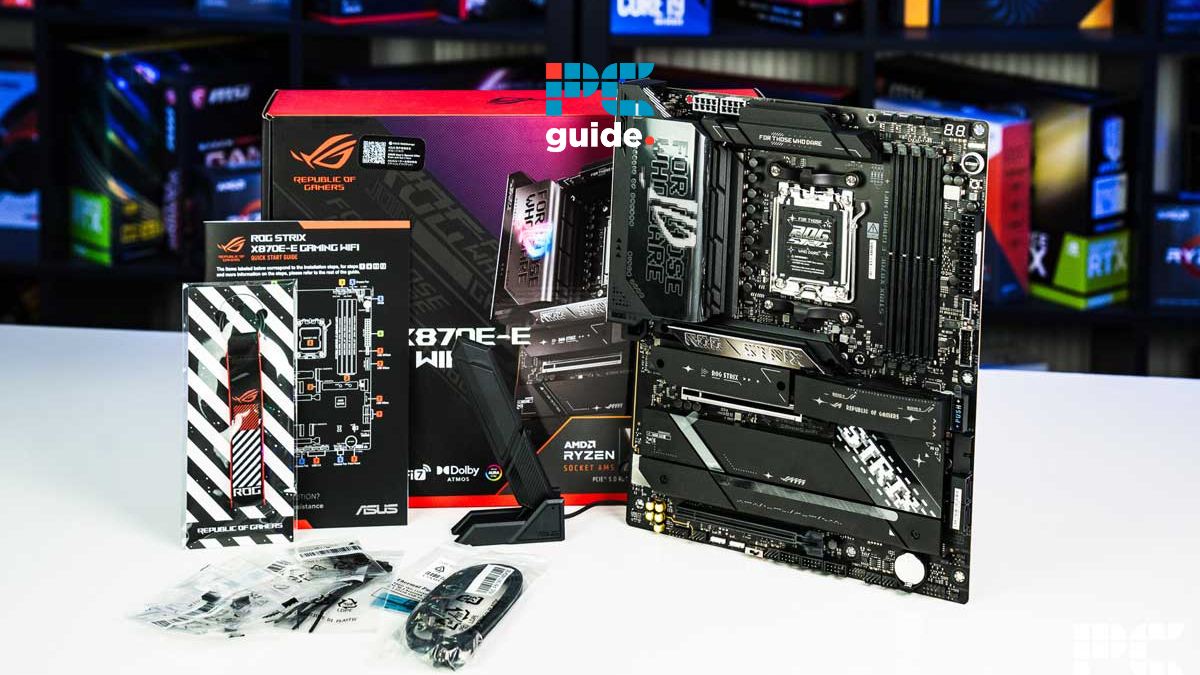

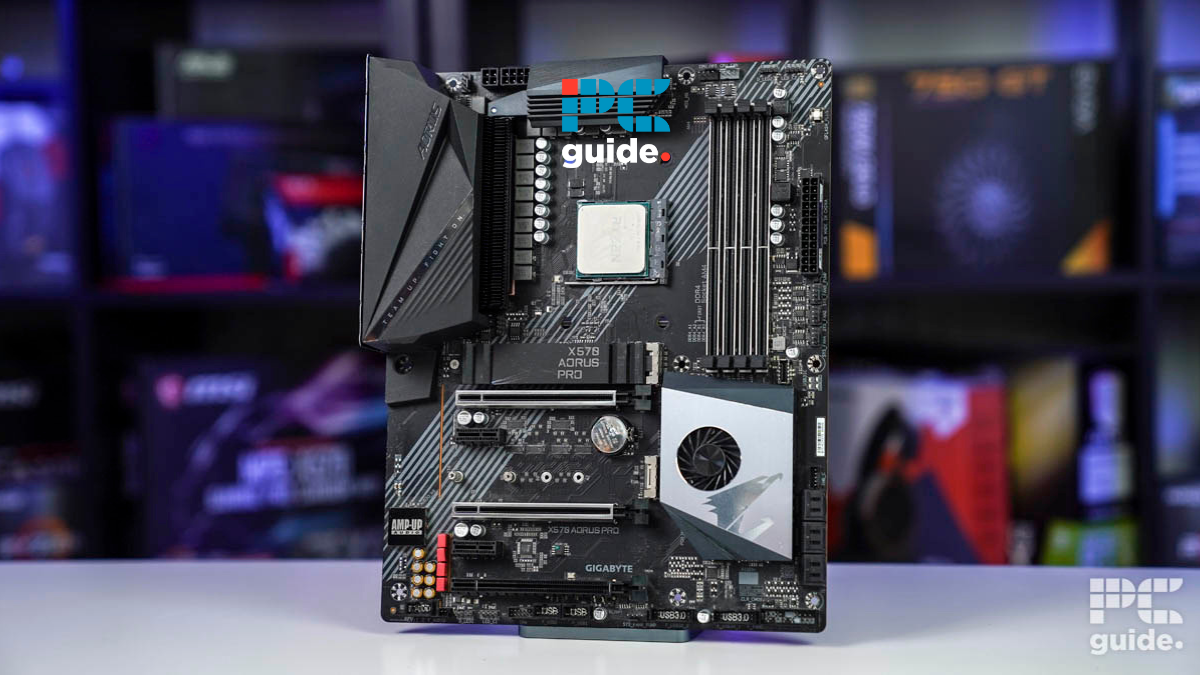


Best B850 In 2026 Our Top Picks PC Guide Best For Gaming . Best Motherboard For Ryzen 9 9950X3D 2026 PC Cores Best Motherboard For Ryzen 9 9950X3D 2025 PCCores.com . Best For RTX 5090 In 2026 Our Top Picks Tested PC Guide Best AM4 Motherboard . 7 Best Gaming Of 2026 Top Gaming 2025 . Best For Gaming PCs In 2026 Intel AMD Guide Motherboard For Gaming Pcs In 2026.webp
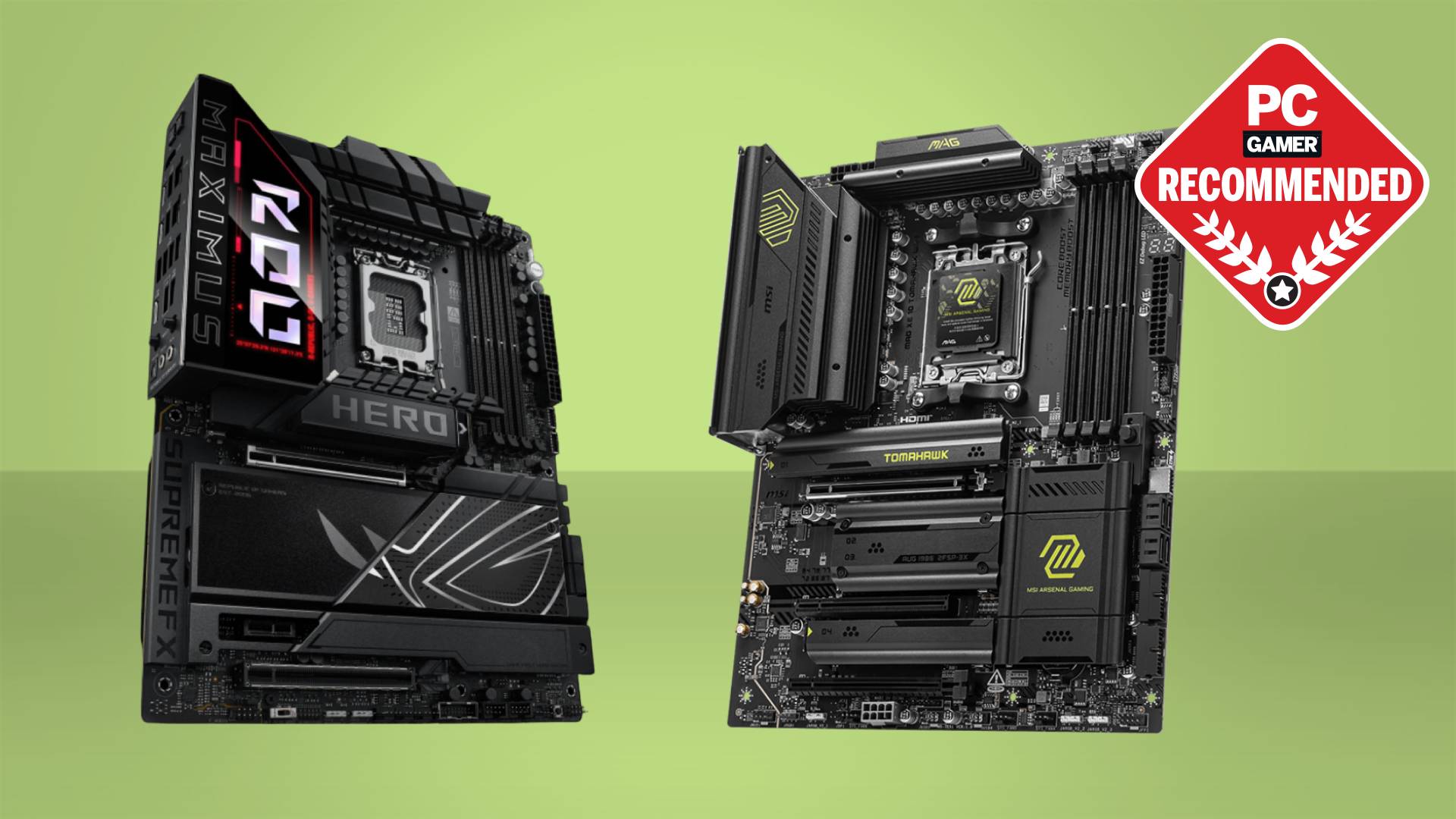
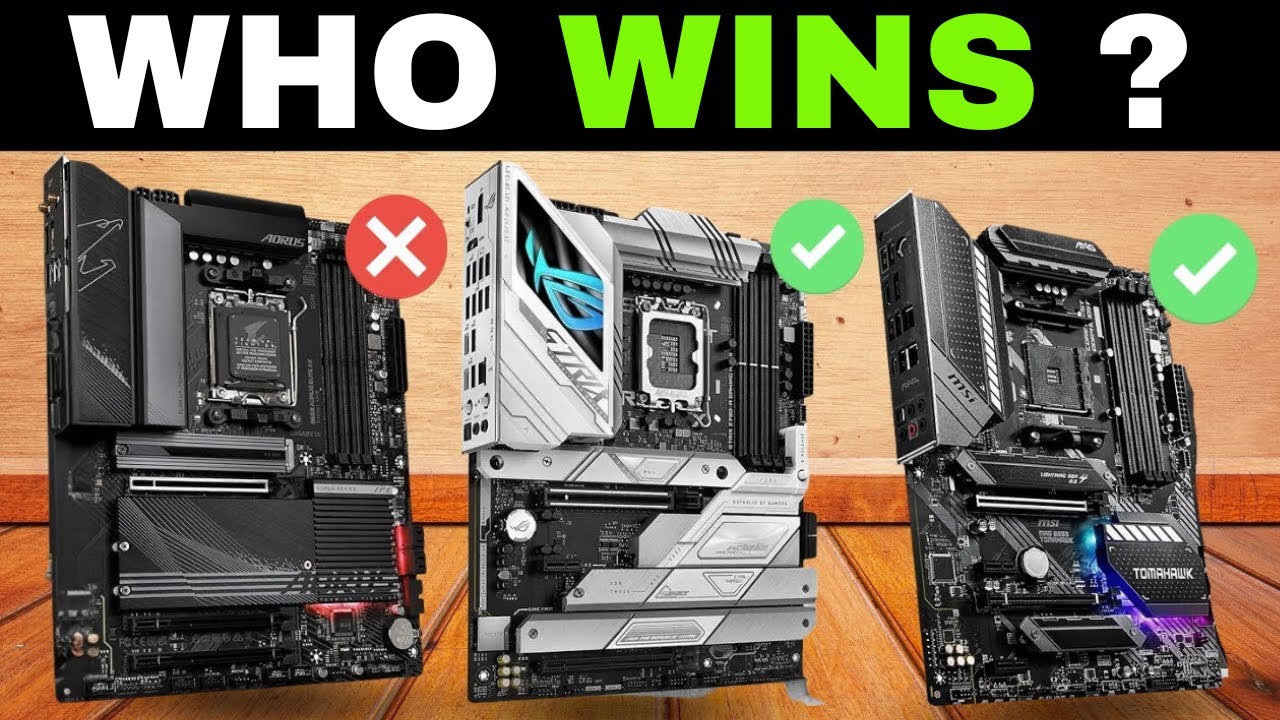


Hardware Best Gaming In 2025 These Are The AMD And Intel . 7 Best For Gaming Video Editing 2026 MSI Gigabyte . 5 Best Gaming For 2026 Ultimate PC Builds YouTube Hqdefault . Top 4 Best Gaming 2026 Intel AMD ASUS Vs MSI Vs . TOP 5 Best Gaming 2026 The Heart Of Your Ultimate Gaming



2026 Intel AMD Mb . Best Gaming Motherboard And CPU Combo 2026 8 Models Tested Featured Image 1qw9skz9 . Asus Unveils 9 New X870 At Gamescom 2024 For AMD S Latest 1600 80 . 6 Best AM4 Gaming Of 2026 Top Am4 2025 . Best Gaming 2026 Top PC Gamer You Must See
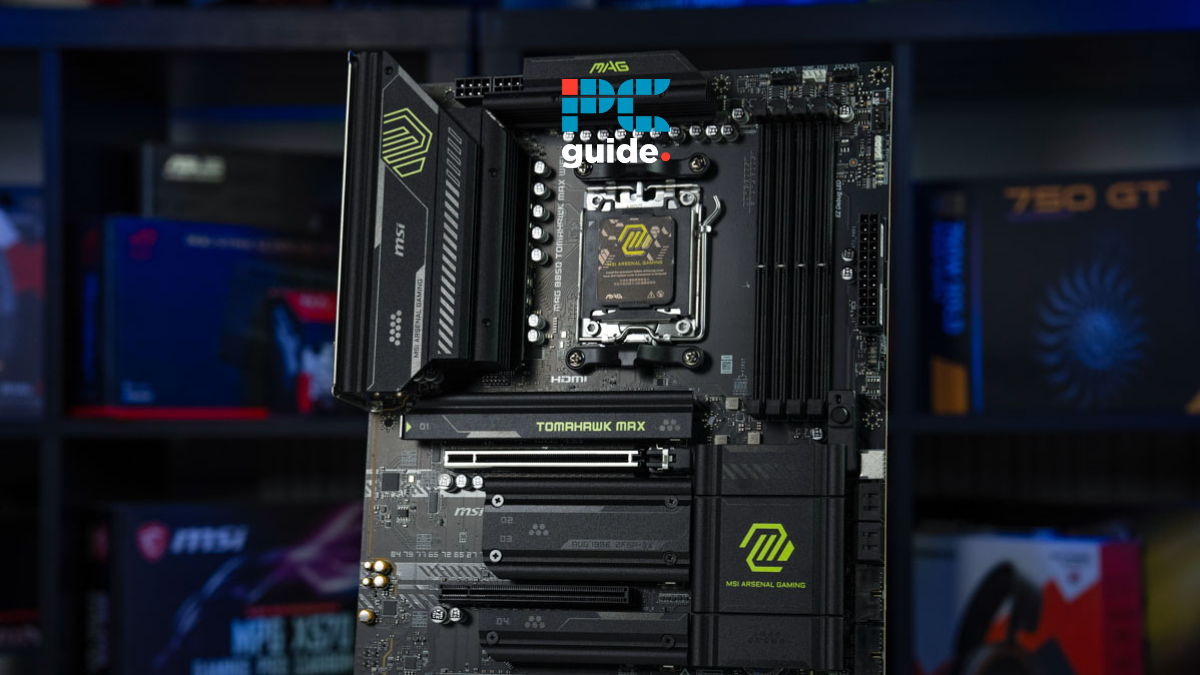
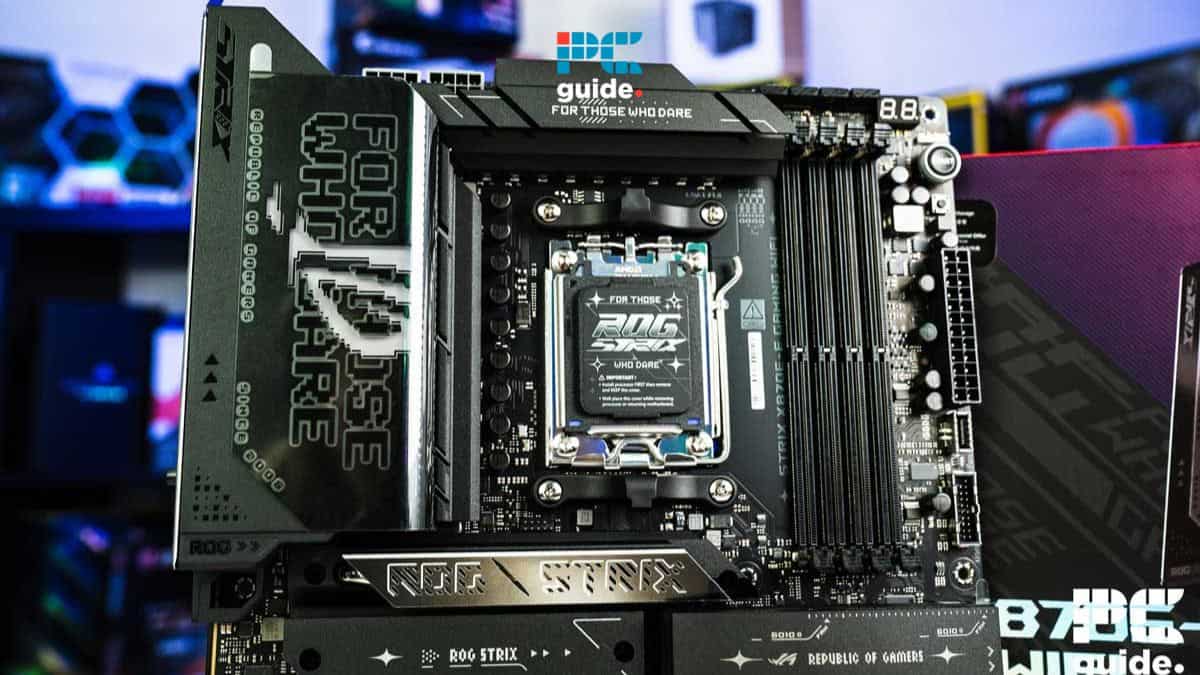
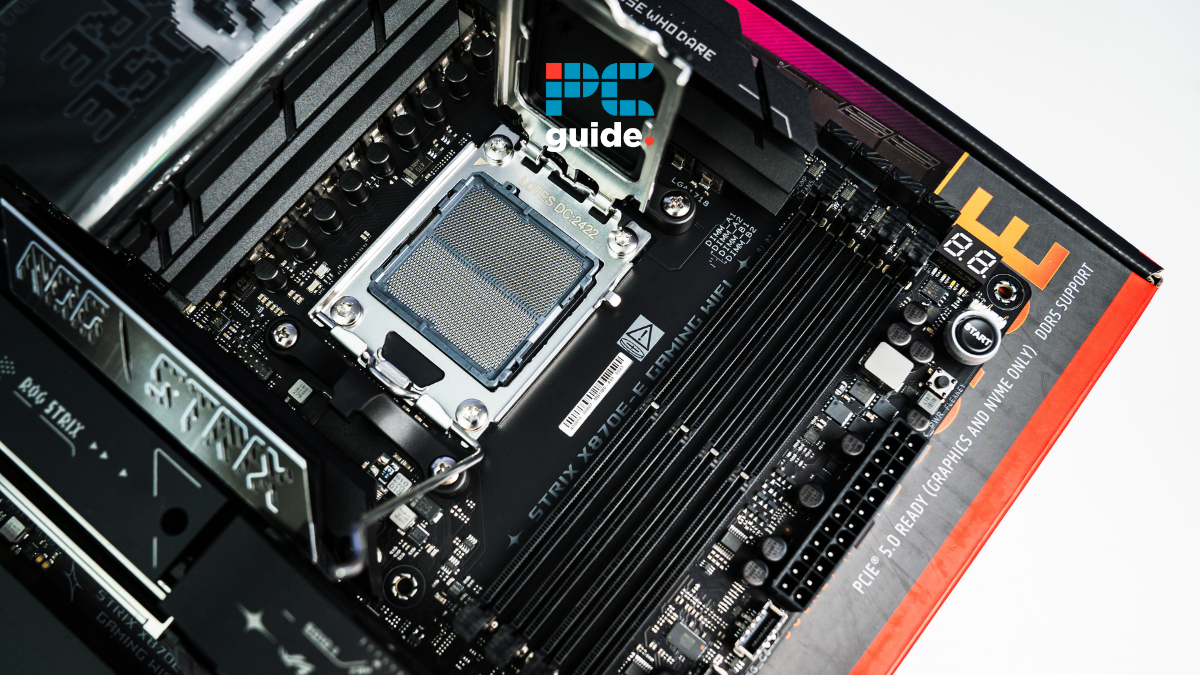

Best MATX In 2026 Andrey Matveev 66a07WD8CMo Unsplash Scaled . Best AM5 In 2026 Our Top Picks Tried And Tested PC Guide Best B850 Motherboard . Best B850 In 2026 Our Top Picks PC Guide Best Motherboard For Ryzen 7 9800X3D . Best B850 In 2026 Our Top Picks PC Guide Best Motherboard For RTX 5090 . Best Gaming In 2026 Top 5 YouTube


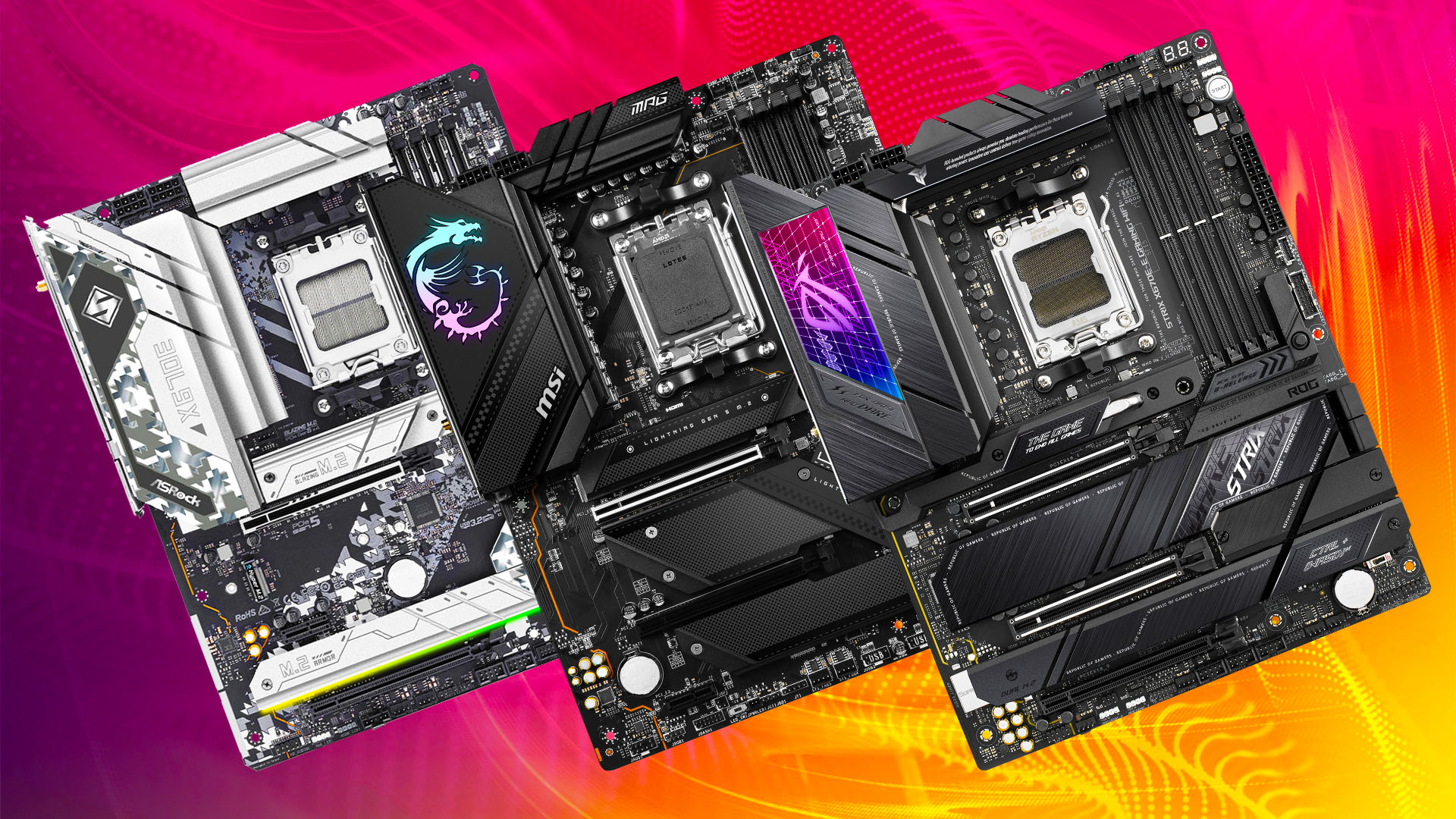
Top 5 Best Gaming In 2026 Budget To Pro Picks YouTube . Best Gaming Motherboard In 2025 Gamers Unchained Best Gaming Motherboard . Motherboard Best Am5 Motherboard . 5 Best AM4 In 2026 97fa5 1920 . 5 Best Motherboard For Gaming Best Gaming Motherboard 2026 YouTube



12 Best CPU For Gaming March 2026 Processors Tested Ranked Best Intel Z890 . 7 Best Gaming Deals In 2026 57c3cf9823 . Best For 2026 9meters Best 9800x3d. Best AM5 2026 Expert Reviews Of Top Ryzen 7000 Boards B0BDTK4SLH Customer 2 . Best 2026 List AM5 And Z890 Boards Worth Building Around A Sleek Tech Thumbnail Design Featuring LtOUWGOaQ9y CkJ10sZHag Tv3BiA 768x431


How To Build A Gaming PC In 2025 Gamers Unchained Best Gaming Motherboard . Best 2026 For Gaming By Socket And Chipset Tom S Hardware . Beste Gaming 2026 Intel Und AMD Hardware Guide Mejores Placas Base 1024x576 . Best For Gaming PCs In 2025 Top Picks For Every Budget Best Gaming PC 2025 1 . 8 Best Gaming Of 2026 Power Up Your PC Build SSL Top Gaming 2024 768x439